A federal judge has temporarily blocked the Justice Department from accessing or using materials taken from a longtime associate of ex-FBI Director James Comey, adding a significant hurdle as prosecutors consider reviving a dismissed criminal case.
U.S. District Judge Colleen Kollar-Kotelly issued the emergency order Saturday in response to a lawsuit brought by Columbia law professor Daniel Richman, a close friend and former attorney for Comey. Richman argues the government violated his Fourth Amendment rights by holding on to—and continuing to search—a full copy of his computer despite the limits of earlier warrants.
In her four-page ruling, Kollar-Kotelly wrote that “Richman is likely to succeed on the merits of his claim that the government has violated his Fourth Amendment right … by retaining a complete copy of all files on his personal computer … and searching that image without a warrant.” She instructed prosecutors to “identify, segregate, and secure” the data, bar access without court approval, and comply with her directives by Monday morning. The order is in effect through Dec. 12 unless modified.
Richman’s devices were imaged under warrants obtained between 2017 and 2020 during a separate leak inquiry opened after President Donald Trump fired Comey. That investigation ended in 2021 with no charges, but according to both Richman’s lawsuit and court filings reviewed by Magistrate Judge William Fitzpatrick, the government appeared to have kept the full computer image instead of only the material authorized under the warrants. Fitzpatrick warned last month that prosecutors conducting this year’s renewed investigation into Comey seemed to have accessed that data again—this time without obtaining a new warrant—potentially exposing attorney-client communications and other protected material.
The DOJ’s first indictment accused Comey of misleading and obstructing Congress regarding whether he had authorized Richman to share information with reporters. That case collapsed in late November when U.S. District Judge Cameron Currie dismissed it without prejudice after finding that lead prosecutor Lindsey Halligan’s appointment was “invalid.” The Justice Department had since signaled plans to pursue another indictment, reportedly within weeks, prompting Richman’s emergency request to block any further use of the seized materials. Prosecutors must now respond to his lawsuit by Tuesday, while the restraining order prevents the department from touching the data until at least Friday unless the judge lifts it.
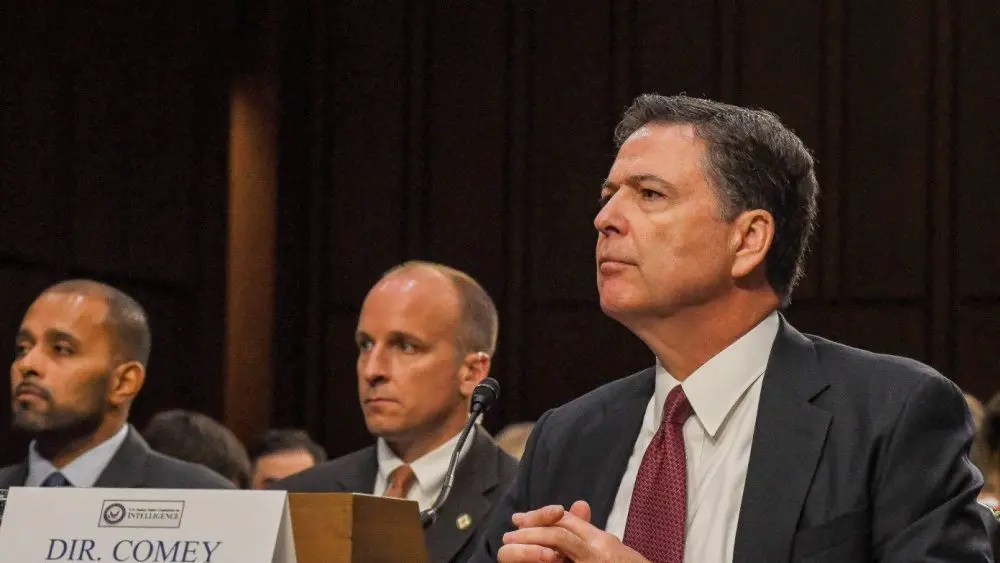
Editorial credit: mark reinstein / Shutterstock.com